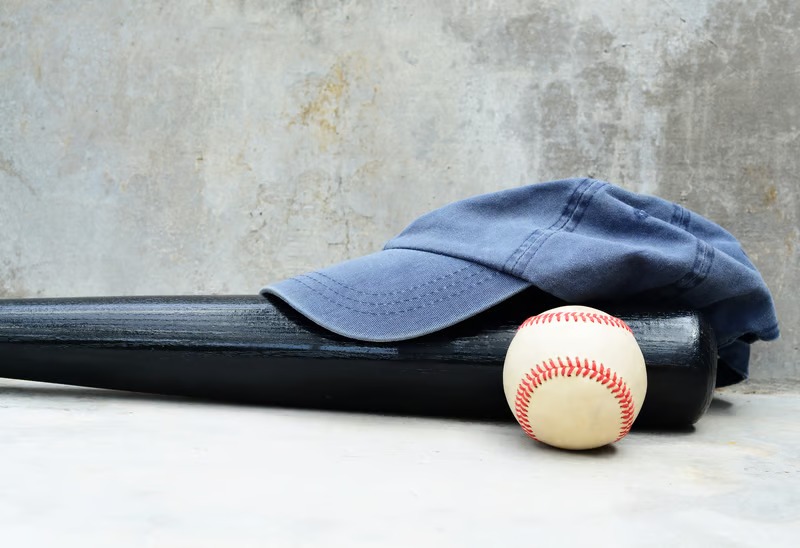
For many sports fans, team hats are more than simple accessories. They represent loyalty, memories, favorite seasons, and emotional connections to teams and communities. Whether it is a championship snapback, a fitted baseball cap worn during summer games, or a limited-edition collector’s hat, proper care matters. Unfortunately, many people damage their hats accidentally while trying to clean them quickly at home.
Understanding the safest way to clean team hats can help preserve color, shape, embroidery, and overall quality for years. A poorly cleaned cap can shrink, fade, lose structure, or even develop cracked logos after just one wash. This is especially frustrating when the hat holds sentimental or collector value.
Modern sports merchandise has become more expensive and more detailed than ever before. High-quality stitching, specialty fabrics, and embroidered branding require careful maintenance. Safe cleaning methods protect both appearance and durability while helping fans continue wearing their favorite hats confidently.
Why Team Hats Deserve Proper Care
Team hats experience constant exposure to sweat, sunlight, oils, dust, and outdoor conditions. Over time, these elements build up and affect both appearance and odor. A neglected hat may start looking faded or stained, even if the overall structure remains strong.
Unlike ordinary clothing, hats have rigid shapes that can easily become distorted. Their curved brims, stitched panels, and fitted interiors require more delicate handling than a basic T-shirt or hoodie. Proper care keeps the hat comfortable while protecting its original design.
Collectors and longtime fans also understand the emotional value attached to team merchandise. Some hats represent championship seasons, unforgettable stadium visits, or gifts from loved ones. Preserving them properly becomes important beyond fashion alone.
The Risks of Cleaning Hats Incorrectly
One of the biggest mistakes people make is assuming all hats can be washed the same way. Hot water, harsh detergents, and aggressive machine cycles often ruin sports hats permanently. Even small cleaning errors may lead to shrinking, warped brims, faded colors, or peeling logos.
Dryers are especially dangerous for structured hats. High heat weakens adhesives and changes fabric shape quickly. Some embroidered designs can crack or loosen after repeated exposure to heat and friction.
Understanding these risks helps fans approach cleaning more carefully. A slow and gentle method almost always produces better results than rushing through the process.
Understanding Different Types of Team Hats
Snapbacks, Fitted Caps, and Trucker Hats
Different team hats require slightly different cleaning strategies. Snapbacks usually feature adjustable plastic closures and structured front panels. These hats often hold their shape well but can still warp if exposed to excessive moisture or heat.
Fitted caps are more delicate because they rely on precise sizing. Shrinking during cleaning can make them uncomfortable or impossible to wear. Their structured crowns and stitched brims also demand extra attention during drying.
Trucker hats combine foam fronts with mesh backs. Foam materials can weaken or crack if scrubbed too aggressively. Mesh sections may also stretch or tear if handled roughly.
Understanding the construction of a hat helps determine the safest cleaning approach before starting.
Materials Commonly Used in Sports Hats
Most modern team hats are made from cotton, polyester, wool blends, or synthetic performance fabrics. Cotton absorbs sweat easily but may shrink under heat. Polyester resists shrinking but can trap odors over time.
Older vintage hats often contain wool or delicate stitching that requires specialized care. These materials react differently to water and cleaning products. Using the wrong method can permanently damage older fabrics.
Performance hats designed for athletes sometimes include moisture-wicking technology that needs gentle detergent to remain effective. Strong chemicals may weaken the fabric’s performance features.
Why Many Cleaning Methods Damage Team Hats
Heat, Harsh Chemicals, and Shape Distortion
Heat is one of the biggest enemies of sports hats. Hot water loosens fibers and weakens structural support. Dryers intensify the problem by shrinking materials and warping brims.
Strong cleaning chemicals create additional risks. Bleach-based products fade colors and weaken stitching over time. Even some household stain removers may damage embroidered logos or printed graphics.
Shape distortion often occurs when hats are soaked carelessly or squeezed aggressively. Structured panels can collapse if not supported properly during drying.
How Logos and Embroidery Can Fade Over Time
Team logos are often the most valuable visual element of a sports hat. Unfortunately, repeated exposure to sunlight, detergent residue, and rough scrubbing gradually weakens embroidery and printed designs.
Bright team colors may bleed during washing if water temperature is too high. Red, navy, and black fabrics are especially vulnerable. Gentle cleaning methods help maintain vibrant colors longer.
Embroidery threads can also loosen if brushed aggressively. Preserving stitched logos requires patience and careful spot cleaning instead of forceful scrubbing.
The Safest Way to Clean Team Hats at Home
Preparing the Hat Before Washing
Before cleaning any hat, inspect it carefully. Check the material label, stitching condition, and any sensitive decorations. Vintage or fragile hats should always be cleaned more cautiously.
Dust and loose debris should be removed first using a soft brush or microfiber cloth. This prevents dirt from spreading deeper into the fabric during washing.
Testing a small hidden area with mild soap is also important. Some hats react unexpectedly to water or detergent, especially older collectibles.
Choosing Gentle Cleaning Products
The safest way to clean team hats involves mild cleaning solutions. Gentle dish soap, fragrance-free detergent, or diluted fabric cleaners usually work well without damaging fabrics.
Strong chemicals should be avoided entirely. Bleach, alcohol-heavy cleaners, and abrasive stain removers create unnecessary risk.
Soft cloths, microfiber towels, and soft-bristled toothbrushes are ideal for careful cleaning. Rough scrubbers can weaken embroidery and damage fabric texture.
Hand Washing Versus Machine Washing
Why Hand Cleaning Is Usually Safer
Hand washing gives full control over pressure, moisture, and cleaning intensity. This greatly reduces the risk of shrinking or shape damage.
A sink or bowl filled with cool water and mild soap is often enough for routine cleaning. Gentle circular motions remove dirt without stressing the fabric.
Hand cleaning also allows more precise attention around sweatbands, logos, and stained areas. This targeted approach is safer than exposing the entire hat to aggressive machine cycles.
When Machine Washing Can Be Risky
Machine washing may seem convenient, but it carries several risks. Agitation bends brims, stretches fabric, and weakens embroidery over time.
Even delicate cycles can damage fitted caps or vintage merchandise. Washing machines also expose hats to uncontrolled spinning and twisting.
If machine washing is absolutely necessary, using a protective hat frame and cold water is safer. However, hand cleaning remains the preferred method for preserving quality.
Step-by-Step Process for Cleaning Team Hats Safely
Removing Sweat Stains and Dirt
Sweat stains are common around the inner band and forehead area. These stains develop gradually from oils and salt buildup. A soft cloth dipped in mild soapy water usually removes light stains effectively.
For deeper stains, a soft toothbrush can gently loosen buildup without harming fabric fibers. Scrubbing should remain light and controlled.
Allowing soap to sit briefly before wiping often improves results without requiring aggressive pressure.
Cleaning the Inner Sweatband Carefully
The sweatband absorbs the most moisture and odor. This area deserves special attention because bacteria and oils collect there quickly.
Using a damp cloth with diluted detergent helps clean the sweatband safely. Excess soaking should be avoided because too much moisture may weaken nearby stitching.
Rinsing carefully with minimal water helps prevent residue buildup while protecting the hat’s structure.
How to Protect Team Logos and Embroidery
Preventing Color Bleeding
Cold water is essential for preserving team colors. Hot water increases the risk of dye bleeding, especially in darker fabrics.
Cleaning should focus around logos instead of directly scrubbing them harshly. Gentle blotting techniques are safer for preserving embroidery quality.
Drying hats away from direct sunlight also prevents fading over time.
Avoiding Fraying and Cracking
Embroidery threads become vulnerable when exposed to rough friction repeatedly. Soft brushes and microfiber cloths help minimize wear.
Printed logos may crack if bent excessively during washing or drying. Maintaining the hat’s natural shape during cleaning reduces this risk significantly.
Collectors often store valuable hats carefully after cleaning to prevent unnecessary long-term stress on decorative elements.
Drying Techniques That Preserve Hat Shape
Why Air Drying Matters
Air drying is the safest method for preserving sports hats. Heat-free drying protects shape, stitching, and fabric integrity.
Stuffing the inside of the hat with a towel helps maintain its original form while moisture evaporates naturally. Some people also place hats over bowls or rounded objects for support.
Patience is important because rushing the drying process often causes irreversible damage.
Mistakes to Avoid During Drying
Direct sunlight may fade colors unevenly. Dryers create shrinkage and brim warping. Hanging hats by clips may also distort their structure.
Placing wet hats on flat surfaces without support can flatten the crown. Proper airflow and shape support help maintain the original fit and appearance.
Cleaning Vintage or Limited Edition Team Hats
Extra Care for Older Fabrics
Vintage hats require extremely gentle treatment because older materials weaken with age. Wool blends, faded dyes, and delicate stitching react poorly to aggressive cleaning.
Spot cleaning is often safer than full washing for collectible hats. Minimal moisture helps reduce structural stress.
Collectors sometimes avoid cleaning valuable vintage hats entirely unless necessary.
Preserving Collector Value
Limited-edition sports merchandise often gains value over time. Poor cleaning practices can reduce resale value dramatically.
Maintaining original stitching, tags, and shape is essential for collectors. Careful storage after cleaning also prevents dust accumulation and fabric deterioration.
For extremely valuable items, professional cleaning services may provide safer long-term preservation.
Dealing With Tough Odors and Deep Stains
Natural Cleaning Solutions That Work
Baking soda and diluted vinegar solutions can help remove odors naturally without harsh chemicals. These methods work especially well for sweat-related smells.
Allowing hats to air out regularly also reduces odor buildup between cleanings. Preventive care often limits the need for aggressive stain removal later.
Natural methods are generally safer for fabrics and embroidery than industrial-strength cleaners.
When Professional Cleaning Is the Better Option
Some stains are too severe for home cleaning. Oil damage, mold, or heavy discoloration may require professional treatment.
Professional cleaners experienced with sports merchandise understand how to protect structured hats properly. Seeking expert help can prevent costly mistakes with rare or sentimental items.
How Often Should Team Hats Be Cleaned?
Signs Your Hat Needs Attention
Visible sweat marks, odors, discoloration, and dust buildup are clear signs a hat needs cleaning. Waiting too long allows stains to become harder to remove.
Frequent wear during summer months may require more regular maintenance. Hats worn during outdoor sports or workouts collect sweat more quickly.
Routine light cleaning often prevents deeper damage later.
Seasonal Maintenance Tips
Rotating between multiple hats reduces excessive wear on a single item. Seasonal storage in cool, dry places also extends lifespan.
Cleaning hats before long-term storage prevents odors and stains from setting permanently into the fabric.
Protective storage containers help preserve shape and reduce dust exposure.
Expert Advice for Long-Term Team Hat Care
Experts recommend treating sports hats gently from the beginning instead of waiting until they become heavily stained. Preventive care extends durability and keeps merchandise looking newer longer.
Avoid grabbing hats by the brim constantly because repeated pressure weakens structure over time. Store hats in clean environments away from direct sunlight and humidity.
Sweat absorption liners can also help reduce stain buildup for people who wear hats frequently during outdoor activities. Small protective habits often make a major difference over several years of use.
Common Mistakes People Make While Cleaning Hats
Many people ruin hats by throwing them directly into washing machines without checking materials first. Others use hot water assuming it cleans more effectively, only to discover the hat shrank afterward.
Another common mistake is using hair dryers or clothes dryers to speed up drying time. High heat damages structure quickly and often permanently.
Over-scrubbing stains is equally problematic. Aggressive cleaning weakens embroidery and creates fabric wear. Gentle patience almost always produces better long-term results.
The Growing Popularity of Team Merchandise Care
Sports merchandise has evolved into a major lifestyle market. Fans now invest heavily in premium hats, collector editions, and limited collaborations. Because of this, proper merchandise care has become increasingly important.
Social media has also increased awareness around sneaker and apparel preservation culture. Hat care now follows similar trends, with collectors sharing cleaning techniques and restoration methods online.
As sports fashion continues growing globally, fans are becoming more protective of their favorite team merchandise. Proper cleaning practices help maintain both emotional and financial value.
Conclusion
Understanding the safest way to clean team hats is essential for protecting both appearance and longevity. Sports hats are more than casual accessories. They often carry emotional memories, collector value, and personal identity tied to favorite teams and experiences.
Gentle hand cleaning, mild detergents, careful drying, and proper storage remain the safest strategies for preserving shape, embroidery, and color. Avoiding heat and harsh chemicals significantly reduces the risk of damage.
With consistent care and attention, team hats can remain fresh, comfortable, and visually impressive for many years. A little patience during cleaning protects the memories and passion attached to every cap.
FAQs
What is the safest way to clean team hats without ruining them?
The safest method is gentle hand washing with cool water and mild soap. Avoid harsh chemicals, aggressive scrubbing, and high heat during drying to preserve shape and embroidery.
Can team hats go into the washing machine?
Some hats can survive delicate machine cycles, but hand washing is usually safer. Washing machines may bend brims, shrink fabrics, or weaken logos over time.
How do you dry a hat without losing its shape?
Air drying is the best option. Place the hat over a rounded object or stuff it lightly with towels to help maintain its original structure while drying naturally.
Are vintage team hats harder to clean?
Yes, vintage hats require extra caution because older fabrics and stitching are more delicate. Spot cleaning and minimal moisture are usually the safest approaches for collectible items.