When it comes to sports apparel, the choice of fabric can make a significant difference in comfort, performance, and durability. Athletes, fitness enthusiasts, and casual sports lovers alike understand that the right gear can enhance their experience, allowing them to perform at their best. But with so many options available, what are the best sports fabrics to consider? In this article, we will explore the top fabrics used in sports apparel, discussing their benefits and real-life examples to help you make informed decisions for your athletic wardrobe.
Understanding the Importance of Fabric in Sports Apparel
The fabric used in sportswear plays a crucial role in how comfortable and effective the clothing is during physical activities. The right materials can wick away moisture, provide flexibility, and withstand rigorous wear and tear. For athletes, this means improved performance and reduced distractions. Let’s dive deeper into the factors that make sports fabrics so vital.
Moisture-Wicking Properties
One of the primary concerns for athletes is moisture management. Fabrics that wick moisture away from the skin help keep the body dry, which is essential for comfort and performance. When sweat accumulates, it can lead to chafing and discomfort, which can distract from focusing on the sport.
Expert Insight: According to Dr. Richard M. Ingham, a sports physiologist, “Moisture-wicking fabrics are designed to pull sweat away from the body, allowing it to evaporate quickly. This helps regulate body temperature and enhances performance.”
Breathability
Breathability is another critical factor to consider. Fabrics that allow air to circulate help keep athletes cool during intense workouts. Breathable materials prevent overheating, which can significantly impact performance and endurance.
Durability
Durability is essential for sports fabrics, especially for those who engage in high-impact activities. Fabrics must withstand repeated washing, stretching, and abrasion. Investing in durable materials ensures that your sports apparel lasts longer, providing better value over time.
The Best Sports Fabrics for Comfort, Performance, and Durability
Now that we understand the importance of fabric, let’s explore the best sports fabrics available today. Each of these materials offers unique benefits that cater to various athletic needs.
Polyester
Polyester is one of the most popular fabrics in sports apparel due to its excellent moisture-wicking properties and durability. It is lightweight, quick-drying, and resistant to shrinking and stretching. Polyester is often blended with other materials to enhance comfort and performance.
Real-Life Example: Brands like Nike and Under Armour incorporate polyester into their athletic wear, ensuring that athletes can stay dry and comfortable during their workouts. The Dri-FIT technology, for example, utilizes polyester to wick away moisture effectively.
Nylon
Nylon is another fantastic option for sports fabrics. Known for its strength and elasticity, nylon is highly durable and resistant to wear and tear. It also has excellent moisture-wicking properties, making it suitable for high-intensity activities.
Expert Insight: Sports apparel designer Sarah Roberts notes, “Nylon is a versatile fabric that combines comfort with performance. It’s ideal for running and cycling gear where flexibility and durability are crucial.”
Spandex (Lycra)
Spandex, commonly known by its brand name Lycra, is famous for its incredible stretchability. This fabric is often blended with other materials to provide enhanced flexibility and comfort. Spandex allows for a full range of motion, making it perfect for activities requiring dynamic movements.
Real-Life Example: Yoga pants and athletic leggings often contain a significant percentage of spandex, allowing for comfortable stretching and movement during workouts. Brands like Lululemon capitalize on this fabric to create flattering and functional activewear.
Merino Wool
While wool may not be the first fabric that comes to mind for sportswear, merino wool is gaining popularity due to its natural moisture-wicking and temperature-regulating properties. Merino wool is soft, breathable, and odor-resistant, making it an excellent choice for both warm and cool weather.
Research-Backed Data: A study by the University of Otago found that merino wool can effectively regulate body temperature and wick moisture, making it suitable for both high-intensity and endurance activities.
Bamboo
Bamboo fabric is an eco-friendly option that is gaining traction in the sports apparel industry. It is naturally moisture-wicking, breathable, and has antibacterial properties, which help reduce odors. Bamboo fabric is also soft and gentle on the skin, making it ideal for sensitive individuals.
Real-Life Example: Brands like Boody and Toad&Co offer bamboo-based athletic wear that combines sustainability with performance. Athletes who prioritize eco-conscious choices often turn to bamboo fabrics for their workouts.
Cotton
While traditional cotton is not typically recommended for high-intensity workouts due to its moisture retention, it is still a popular choice for casual sportswear and low-impact activities. Cotton is soft and comfortable, making it suitable for leisurely activities or warm-up sessions.
Expert Insight: Fitness coach Megan Johnson states, “Cotton can be great for light exercises, but if you’re planning to sweat, opt for blends that incorporate moisture-wicking properties for better performance.”
Choosing the Right Fabric for Your Activity
When selecting sports apparel, it’s essential to consider the type of activity you’ll be engaging in. Different sports and exercises require specific fabric characteristics to enhance performance and comfort.
Running
For runners, moisture-wicking materials like polyester or nylon are ideal. These fabrics help keep the body dry during long runs, preventing chafing and discomfort. Look for lightweight options that offer breathability and stretch.
Gym Workouts
For gym sessions, a blend of spandex and polyester works well. This combination allows for a full range of motion while effectively wicking away sweat. Consider items like fitted tanks and leggings that provide both support and comfort.
Outdoor Activities
When participating in outdoor sports, such as hiking or cycling, consider fabrics like merino wool or bamboo. These materials provide insulation while remaining breathable, making them suitable for varying temperatures.
Team Sports
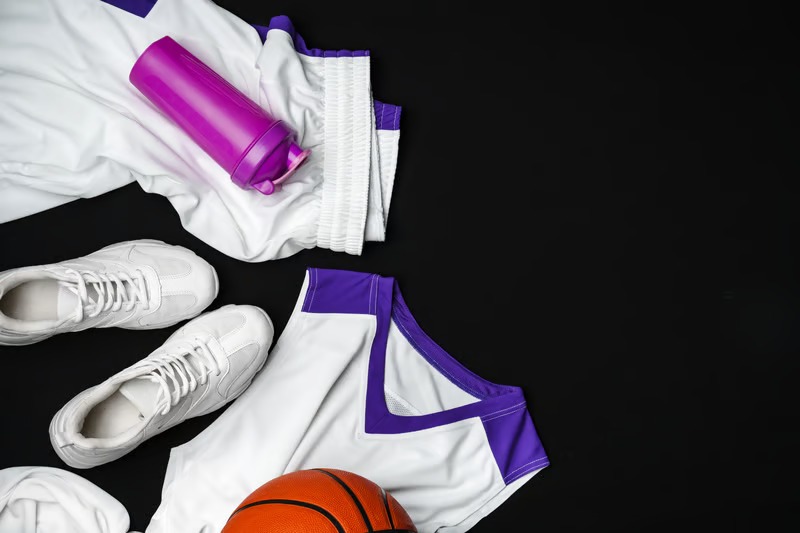
For team sports like soccer or basketball, durability is key. Look for garments made from polyester or nylon blends that can withstand rigorous movements and frequent washing. Moisture-wicking properties are also essential to keep players dry during intense games.
The Impact of Fabric Technology on Sports Apparel
In recent years, advancements in fabric technology have significantly impacted the sports apparel industry. Innovations in fabric blends and treatments have led to improved performance and functionality in athletic wear.
Antimicrobial Treatments
Many modern sports fabrics now feature antimicrobial treatments that help reduce odor and bacteria buildup. This technology is particularly beneficial for athletes who engage in high-sweat activities, as it ensures that clothing remains fresh even after multiple uses.
UV Protection
Some sports fabrics are designed with UV protection properties, providing an additional layer of safety for outdoor athletes. Fabrics with built-in UV protection can help shield the skin from harmful rays during extended exposure to sunlight.
Compression Technology
Compression fabrics have gained popularity in recent years, offering benefits such as improved blood circulation and reduced muscle fatigue. These fabrics are often used in athletic tights and sleeves, providing support for athletes during intense training sessions.
Caring for Your Sports Fabrics
To maintain the performance and longevity of your sports apparel, proper care and maintenance are essential. Follow these tips to keep your gear in top shape:
Washing
Always follow the care instructions on the label. Most sports fabrics can be machine washed, but it’s essential to use cold water and avoid fabric softeners, as they can affect moisture-wicking properties.
Drying
Air drying is often the best option for sports fabrics, as high heat from dryers can damage certain materials. If you must use a dryer, opt for a low heat setting to preserve the fabric’s integrity.
Storage
Store your sports apparel in a cool, dry place to prevent mildew or odors from developing. Avoid storing wet clothing, as this can lead to mold growth and damage the fabric.
Conclusion
Choosing the best sports fabrics for comfort, performance, and durability is essential for anyone involved in athletic activities. From moisture-wicking polyester to eco-friendly bamboo, each fabric offers unique benefits that cater to various sports and personal preferences. By understanding the characteristics of different materials, athletes can make informed decisions when selecting sports apparel that enhances their performance and overall experience. As fabric technology continues to evolve, the options for high-quality sportswear will only continue to expand, providing athletes with the best tools for success.
Frequently Asked Questions (FAQs)
What are the best sports fabrics for activewear?
The best sports fabrics include polyester, nylon, spandex, merino wool, and bamboo, each offering unique benefits for comfort and performance.
How do I choose the right fabric for my sport?
Consider the type of activity you’ll be doing; for high-intensity workouts, opt for moisture-wicking materials, while casual activities may suit cotton.
How should I care for my sports apparel?
Follow care labels, wash in cold water, avoid fabric softeners, and air dry to maintain the integrity and performance of your sports fabrics.