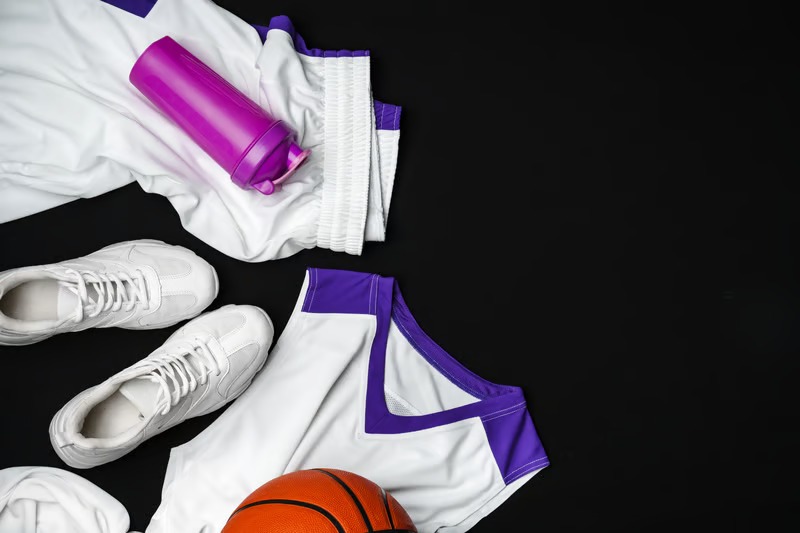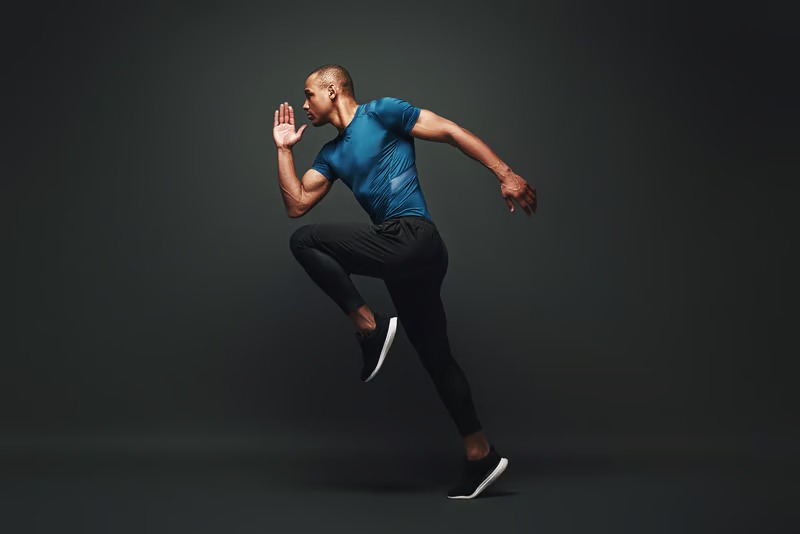
There is a moment every serious athlete knows. The moment before the race, before the whistle, before the first rep. Your body is ready. Your mind is focused. And what you are wearing is either working with you or quietly working against you. Most people do not think about their clothing in those terms. They think about comfort, about style, about price. But the athletes who perform at the highest levels, the ones who understand the full picture of what goes into a great performance, know that what sits against their skin during competition and training is not a minor variable. It is a meaningful one. Performance wear is a category of athletic clothing engineered specifically to support, protect, and enhance the body during physical exertion. Understanding the importance of performance wear is not just for elite athletes with sponsorships and science teams. It is for anyone who takes their training seriously enough to want every advantage their equipment can honestly provide.
Defining Performance Wear: What Sets It Apart
Performance wear is not athletic wear in the general sense. It is not a cotton t-shirt worn to the gym or a pair of casual joggers used for a morning walk. It is clothing specifically engineered with technical materials, construction methods, and functional design features that serve the demands of physical performance rather than simply accommodating movement. The distinction matters because the word athletic has been so broadly applied in fashion marketing that it now covers everything from genuine technical garments to streetwear that simply looks sporty. True performance wear is defined by what it does, not by how it looks. It manages moisture, meaning it actively moves sweat away from the skin rather than absorbing and holding it. It supports muscle function, through compression or strategic stretch zones that reduce the energy cost of movement and improve proprioceptive feedback. It regulates temperature, keeping the body in an optimal thermal range during exertion in both hot and cold environments. It protects against environmental factors including UV radiation, wind, and abrasion. It moves with the body without restriction, without riding up, without chafing, without creating points of friction that become distractions during performance. These functional requirements are what separate genuine performance wear from clothing that merely looks technical, and they are what drive the importance of performance wear from a physiological and competitive standpoint.
The Science Behind the Fabric
Moisture Management and Why Staying Dry Changes Everything
The most foundational technical property of performance wear is moisture management, and understanding it properly requires understanding what sweat does to the body during exercise and what happens when clothing handles that sweat badly. Sweating is the body’s primary thermoregulation mechanism during exercise. As sweat evaporates from the skin surface, it carries heat away from the body, cooling it. This system works beautifully as long as sweat can evaporate efficiently. The problem with non-technical fabrics like cotton is that they absorb sweat and hold it against the skin, saturating the fabric and preventing evaporation. Wet fabric against hot skin during exercise does not cool the body effectively. It creates a warm, humid microclimate at the skin surface that impairs the evaporative cooling mechanism, raises skin temperature, increases perceived exertion, and significantly raises the risk of heat-related illness during intense exercise in warm conditions. Performance wear fabrics solve this problem through a combination of hydrophobic fiber treatments and physical fabric structures that wick moisture away from the skin surface and spread it across a larger area of the fabric’s outer surface, where it can evaporate quickly. High-quality performance fabrics move sweat through the fabric rather than holding it inside, keeping the skin surface drier and maintaining the efficiency of the body’s natural cooling system. The difference in perceived comfort between a saturated cotton shirt and a well-designed moisture-wicking performance fabric after thirty minutes of intense exercise is dramatic and immediately obvious. But the difference goes beyond comfort. Research consistently shows that thermal comfort during exercise directly affects performance, with athletes in thermally uncomfortable conditions showing measurable reductions in endurance, power output, and decision-making quality.
Compression Technology and Muscle Support
Compression garments represent one of the most studied and most significant performance innovations in athletic wear. The principle behind compression wear is straightforward. Graduated pressure applied to muscles and surrounding tissues during exercise produces a cascade of physiological effects that can meaningfully improve performance and recovery. Properly graduated compression, meaning compression that is tighter at the extremities and gradually looser toward the core, supports venous return, the process by which blood is moved back from the working muscles toward the heart. Improved venous return means faster delivery of oxygenated blood to working muscles and faster removal of metabolic waste products like lactic acid. This translates into reduced muscle fatigue during sustained effort and faster recovery of power output during repeated sprint or resistance training protocols. Compression also reduces muscle oscillation during impact activities. Every footstrike in running, every landing in jumping, every impact in contact sports sends a vibration through the muscle tissue that requires the muscle to expend energy dampening that oscillation. Compression garments reduce the amplitude of this oscillation, which reduces the energy expenditure associated with it and decreases the microtrauma that contributes to delayed onset muscle soreness. Research published in sports science literature has consistently shown that compression garments reduce perceived muscle soreness in the 24 to 72 hours following intense exercise, which has direct implications for training frequency and recovery quality. For athletes who train multiple times per week, the cumulative recovery benefit of wearing quality compression garments is genuinely significant.
Expert Perspective: “The athletes who come into my practice with the most consistent training records are almost always the ones who take recovery seriously at every level, including what they wear during and after training. Compression wear is not a marketing story. The physiological mechanisms are well established. Improved venous return, reduced muscle oscillation, enhanced proprioception. These are real effects with real performance consequences for athletes who train hard enough to accumulate meaningful fatigue.” – Dr. Nadia Rahman, Sports Medicine Physician and Exercise Physiologist, Manchester
Temperature Regulation Across Different Conditions
Performance Wear in Heat and Humidity
Heat and humidity represent perhaps the greatest environmental challenge to athletic performance, and the importance of performance wear in these conditions extends well beyond comfort. Core temperature management is a genuine performance limiter. As core temperature rises during exercise in heat, the body diverts blood flow from working muscles to the skin surface to facilitate cooling, which reduces the oxygen available to those muscles and directly impairs power output and endurance. Clothing that traps heat and prevents evaporative cooling accelerates this process. Performance wear engineered for hot and humid conditions uses ultra-lightweight, open-weave fabrics with maximum moisture-wicking capacity and structural properties that promote airflow across the skin surface. Some advanced performance fabrics incorporate phase-change materials that absorb heat from the body and release it slowly, creating a buffering effect on skin temperature during intense efforts. Others use treatments that enhance the evaporative efficiency of the fabric surface, making sweat evaporate faster even in humid conditions where the ambient air’s ability to accept moisture is reduced. The color and reflectivity of performance wear also matter significantly in sunny outdoor conditions. Light-colored, UV-reflective fabrics can reduce the radiant heat load on an athlete’s body by meaningful amounts compared to dark absorptive fabrics, and high-quality performance wear for outdoor use typically incorporates UPF ratings that protect against UV radiation, which is relevant not just for skin health but for performance, since UV exposure at high doses can impair muscle function and accelerate fatigue.
Cold Weather Performance Wear and Thermal Management
The challenge of cold weather performance wear is the inverse of the heat challenge but equally demanding. The goal is to retain sufficient body heat to keep muscles warm and functioning optimally while simultaneously managing the sweat produced during exercise, which is a significant challenge because the properties that insulate against cold can also trap moisture against the skin. Professional cold weather performance wear addresses this through layering systems with carefully differentiated functions. The base layer, which sits against the skin, prioritizes moisture wicking above all else, moving sweat away from the skin surface to prevent the wet and cold combination that rapidly accelerates heat loss and the dangerous drop in core temperature. The mid layer focuses on thermal insulation, typically using synthetic or natural fiber structures that trap warm air while maintaining some degree of moisture transfer. The outer layer protects against wind and precipitation while allowing water vapor from sweat to escape through breathable membrane technology. Understanding this system is important because wearing a single heavy insulating layer without moisture management capability, which is what many non-specialist athletes do in cold conditions, often produces worse thermal outcomes than a properly selected layering system at lower total weight. Sweat-soaked insulation loses its thermal properties rapidly, and an athlete who starts a winter training session warm but ends it in sweat-saturated clothing is at genuine risk of hypothermia during the cool-down phase.
Athletic Performance, Fit, and Freedom of Movement
How Cut and Construction Affect Physical Performance
The mechanical properties of performance wear, the way garments are cut, constructed, and positioned on the body during movement, have direct implications for physical performance that go beyond simple comfort. A garment that rides up during a sprint creates a distraction and a friction point that costs attention and potentially skin. A sleeve that restricts shoulder rotation during a throwing motion adds resistance to the movement that the athlete must overcome. Waistbands that dig during forward bending create pressure points that can limit range of motion in activities requiring deep flexion. These are not hypothetical concerns. They are specific failure modes that performance wear designers spend considerable engineering resources solving. Flatlock seam construction, which places seam allowances flat against the body rather than raised, eliminates the pressure ridges that traditional sewn seams create against skin during repetitive movement. Four-way stretch fabrics that extend in all directions with equal ease allow garments to follow the body’s movement without creating resistance in any plane of motion. Articulated patterning, where garment panels are cut to follow the natural lines of the body in motion rather than at rest, keeps garments in their designed position during exercise rather than riding up, twisting, or pulling away from the body. The fit principles of performance wear are also sport-specific in ways that matter. A fit appropriate for road cycling, close and aerodynamic, would be unnecessarily restrictive for strength training, where full range of motion in all planes matters more than drag reduction. A fit appropriate for yoga, maximally flexible and form-following, would provide insufficient support and coverage for trail running over varied terrain.
Proprioception, Body Awareness, and the Confidence Factor
Performance wear affects athletic performance through a channel that is less frequently discussed but genuinely important: proprioception and body awareness. Proprioception is the sensory system through which the body understands its own position, movement, and force in space. It depends on sensory receptors in muscles, tendons, joints, and skin. Close-fitting performance wear that moves consistently with the body provides a layer of consistent tactile feedback that can actually enhance proprioceptive accuracy, particularly during complex movements where precise body position matters. Gymnasts, swimmers, and track athletes have long worn close-fitting technical garments partly for the proprioceptive benefit of consistent tactile feedback across the body surface. There is also the psychological dimension of performance wear that should not be dismissed simply because it is not purely physiological. The research on enclothed cognition, the psychological effects of clothing on the wearer’s mental state and performance, consistently shows that wearing clothing associated with high performance activates performance-oriented mindsets and can improve focus, confidence, and commitment during challenging physical tasks. Athletes who feel professional, prepared, and appropriately equipped for their sport consistently report higher confidence and focus during competition. This effect is real and measurable even if it operates through psychology rather than physiology, and the importance of performance wear includes both dimensions.
Expert Perspective: “We tend to separate the physical and psychological effects of equipment choices, but in athletic performance they are completely interconnected. An athlete who feels confident and properly prepared because their equipment is right for the task performs better than one who is physically capable but mentally distracted by discomfort or ill-fitting gear. The importance of performance wear covers both of these channels and serious coaches pay attention to both.” – Coach Marcus Adeyemi, Elite Athletics Performance Director, Abuja
Durability, Sustainability, and Long-Term Value
The cost of quality performance wear is a genuine barrier for many athletes, and understanding the value calculation over time is important context for the importance of performance wear. Low-cost athletic clothing made from non-technical materials does not just perform worse during exercise. It degrades faster, particularly through repeated washing, UV exposure, and the mechanical stress of athletic movement. Performance properties like moisture-wicking capability and compression are not permanent features of the fabric. They are maintained through proper care and they diminish with wear. A well-constructed performance garment made from quality technical fabrics and maintained according to care instructions will typically maintain its performance properties through hundreds of washes and retain its structural integrity far longer than a cheap alternative. The per-use cost of quality performance wear, when calculated honestly over its functional lifespan, is often lower than the per-use cost of cheap clothing that needs frequent replacement. The sustainability dimension is also increasingly relevant. The athletic wear industry has significant environmental impact through fiber production, dyeing processes, and microplastic shedding from synthetic fabrics during washing. Leading performance wear brands have responded to this with recycled fiber programs, reduced-dyestuff processing, and fabric constructions designed to minimize microplastic shedding. For athletes who care about the environmental impact of their purchasing decisions, understanding the sustainability credentials of performance wear brands is an increasingly important part of the buying decision.
Final Thought
Performance wear will not turn an undertrained athlete into a champion. No piece of equipment ever has and none ever will. But the importance of performance wear lies in something more honest than marketing promises. It lies in the accumulated effect of training comfortably, recovering efficiently, moving without restriction, and staying thermoregulated through conditions that would otherwise impair your body’s function and your mind’s focus. These effects are not dramatic on any single training day. Over a season of training, over a career of competition, they compound. The athletes who reach their potential are almost always the ones who took every legitimate variable seriously, including the one that sits against their skin for every hour of every session. What you wear when you train is not the most important thing. But it is not the least important thing either. And treating it with the seriousness it deserves is simply part of taking your performance seriously.