NFL jerseys are more than sports apparel. They represent loyalty, memories, traditions, and emotional moments connected to favorite teams and legendary players. Whether it is a limited-edition jersey, a signed collectible, or the same jersey worn every Sunday during football season, fans want to keep it looking fresh for years. However, many people accidentally damage their jerseys during cleaning without realizing it. Faded colors, cracked numbers, peeling logos, and stretched fabric are common problems caused by improper washing techniques.
Understanding how to wash an NFL jersey properly can help preserve the vibrant team colors, stitched details, and overall quality of the garment. Jerseys are made with delicate materials and specialty printing that require more care than ordinary clothing. Tossing them into a hot wash cycle or using harsh detergents can quickly ruin the appearance of the fabric.
Modern NFL jerseys are designed for durability and athletic performance, but they still need careful maintenance. Sweat, food stains, outdoor dirt, and body oils naturally build up over time, especially during game-day wear. Cleaning the jersey regularly is important, but the process must protect the fabric rather than weaken it.
This guide explores the safest and most effective ways to wash NFL jerseys without fading the colors or damaging important details. From stain treatment and drying methods to expert fabric care advice, every section focuses on preserving your jersey’s appearance while extending its lifespan.
Why NFL Jerseys Require Special Cleaning Care
NFL jerseys are made differently from regular cotton shirts. Most are constructed with polyester blends, stitched lettering, heat-pressed graphics, mesh panels, and layered materials designed for performance. These features give jerseys their athletic appearance but also make them vulnerable to heat and rough washing conditions.
The vibrant colors used in NFL jerseys can fade when exposed to aggressive detergents, hot water, or excessive sunlight. Team logos and player numbers may also crack or peel if they are scrubbed harshly or dried at high temperatures. Even expensive authentic jerseys can deteriorate quickly without proper care.
Collectors and passionate fans often invest significant money into official NFL merchandise. Some jerseys become sentimental keepsakes tied to memorable games or favorite athletes. Proper washing techniques protect not only the visual quality of the jersey but also its emotional value.
Understanding Different Types of NFL Jerseys
Authentic Jerseys Versus Replica Jerseys
Authentic NFL jerseys are designed to match the on-field versions worn by professional players. They usually feature premium stitching, durable materials, and high-quality detailing. Because of their construction, they often require gentler cleaning methods to maintain their appearance.
Replica jerseys are more affordable and designed for casual fan wear. Although slightly less delicate than authentic versions, they still contain printed graphics and vibrant dyes that can fade if washed improperly.
Understanding which type of jersey you own helps determine the safest washing process. Higher-end jerseys deserve extra attention because repairs for peeling numbers or faded stitching can be expensive or impossible.
Vintage and Limited-Edition Jerseys
Vintage NFL jerseys require even greater care because older fabrics and dyes weaken over time. Aggressive washing can permanently damage retro designs or fragile stitching. Limited-edition jerseys, signed jerseys, or collector items should often be hand-washed instead of machine-washed.
Fans who own rare jerseys should prioritize preservation techniques over convenience. In some cases, professional cleaning services specializing in sports memorabilia may be the safest option.
Preparing an NFL Jersey Before Washing
Inspecting for Stains and Damage
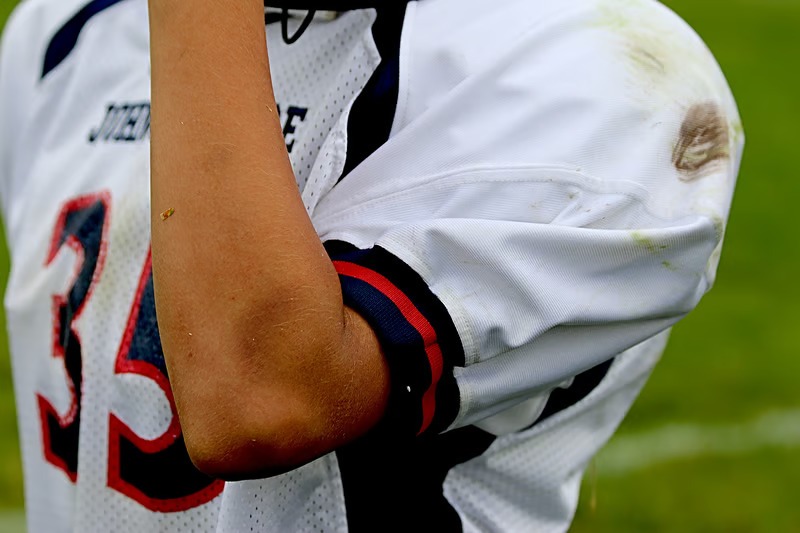
Before washing, inspect the jersey carefully under good lighting. Sweat stains around the collar, food spills, grass marks, or makeup stains should be identified early because some stains require pretreatment.
It is also important to check for loose stitching, peeling graphics, or damaged seams. Washing a damaged jersey without repair can make the problem worse during the cleaning cycle.
Turning the Jersey Inside Out
One of the simplest but most effective steps is turning the jersey inside out before washing. This protects the outer graphics, lettering, and logos from friction during cleaning. The inside-out method reduces direct rubbing against other garments and helps preserve color intensity.
Fans often skip this step, but it significantly reduces wear and tear over time. It is especially important for jerseys with heat-pressed names and numbers.
Choosing the Right Water Temperature
Why Cold Water Protects Colors
Cold water is the safest option when learning how to wash an NFL jersey correctly. Hot water weakens dyes and can cause colors to bleed or fade. It may also loosen adhesive materials used in logos and lettering.
Cold water helps preserve brightness while reducing stress on the polyester fibers. Modern detergents work effectively in cold temperatures, so there is rarely a need for hot washing.
Consistently washing jerseys in cold water is one of the most important long-term preservation habits for sports apparel.
Avoiding Temperature Shock
Sudden temperature changes can affect fabric elasticity and printing quality. Washing in cold water and then exposing the jersey to high dryer heat creates unnecessary stress on the materials. Maintaining gentle temperature conditions throughout the cleaning process keeps the jersey stable and protected.
Selecting the Best Detergent for NFL Jerseys
Avoiding Harsh Chemicals
Strong detergents containing bleach or heavy chemicals can strip color from NFL jerseys. They may also damage printed graphics and weaken stitching. Mild, color-safe detergents are much safer because they clean effectively without aggressively attacking the fabric.
Bleach should almost never be used on sports jerseys, especially dark-colored team apparel. Even small amounts can create uneven fading or discoloration.
Using Smaller Amounts of Detergent
Too much detergent leaves residue trapped inside the fibers, making jerseys feel stiff or dull over time. Excess soap can also weaken moisture-wicking performance fabrics commonly used in athletic apparel.
Using a moderate amount of mild detergent keeps the fabric soft and helps maintain the jersey’s original texture and appearance.
Machine Washing an NFL Jersey Safely
Choosing the Gentle Cycle
The washing machine setting matters just as much as detergent choice. A gentle or delicate cycle minimizes aggressive spinning and reduces friction against the fabric.
Heavy-duty cycles are designed for thick materials like towels and jeans. These settings can stretch or damage sports jerseys quickly. Gentle washing keeps the jersey cleaner while protecting stitching and printed elements.
Washing Jerseys Separately
NFL jerseys should ideally be washed separately from rough fabrics like denim, jackets, or garments with zippers. Abrasive materials can scrape against logos and numbers during the wash cycle.
Washing similar lightweight clothing together creates a safer environment for the jersey. Some fans even place jerseys inside mesh laundry bags for additional protection.
Hand Washing for Maximum Protection
Why Hand Washing Is the Safest Method
Hand washing remains the safest cleaning method for valuable NFL jerseys. It allows complete control over water temperature, pressure, and handling.
A sink or clean basin filled with cold water and mild detergent is usually enough for effective cleaning. Gently moving the jersey through the water removes dirt without exposing it to harsh machine agitation.
Collectors often prefer hand washing because it greatly reduces risks of fading, stretching, or peeling graphics.
Handling Stains Carefully
Stains should never be scrubbed aggressively. Instead, gently blotting the affected area with diluted detergent helps lift dirt while protecting the fabric surface.
Persistent stains may require repeated gentle treatments rather than forceful cleaning. Patience is safer than aggressive scrubbing when preserving delicate sports apparel.
The Biggest Drying Mistakes Jersey Owners Make
Why High Heat Causes Damage
The dryer is responsible for much of the damage seen in sports jerseys. High heat weakens adhesive materials, shrinks polyester fibers, and cracks printed graphics.
Many fans wash their jerseys correctly but ruin them during drying. Heat exposure fades colors much faster than air drying methods.
Air Drying for Long-Term Preservation
Air drying is the safest option for NFL jerseys. Hanging the jersey indoors or laying it flat in a shaded area protects the colors and fabric integrity.
Direct sunlight should also be avoided because UV exposure gradually fades vibrant team colors. Indoor air circulation provides a much gentler drying environment.
Patience during drying significantly extends the life of sports apparel.
Expert Advice for Preserving NFL Jerseys
Sports apparel specialists often recommend limiting unnecessary washing. Jerseys worn casually for short periods may only need spot cleaning instead of full washing after every use. Excessive cleaning naturally increases wear over time.
Experts also suggest avoiding fabric softeners because they can coat moisture-wicking fibers and reduce breathability. Polyester sports fabrics perform better when washed simply and gently.
Proper storage is equally important. Jerseys should be stored in cool, dry areas away from humidity and prolonged sunlight exposure. Hanging jerseys on wide hangers helps maintain shape and prevents shoulder stretching.
Collectors who frame signed jerseys often use UV-protected display cases to reduce fading. Even unworn jerseys can deteriorate if stored improperly for years.
How Sweat and Body Oils Affect Jersey Fabric
Sweat and body oils gradually build up inside sports apparel fibers. Over time, this buildup can dull colors and create unpleasant odors if jerseys are not cleaned properly.
The collar and underarm areas are especially vulnerable because oils accumulate repeatedly in those regions. Gentle regular cleaning prevents permanent discoloration while preserving freshness.
However, overwashing also creates problems. The goal is balance. Cleaning the jersey carefully after heavy use while avoiding unnecessary washing cycles helps maintain long-term quality.
Preventing Cracked Numbers and Peeling Logos
Understanding Heat-Pressed Graphics
Many NFL jerseys use heat-pressed graphics rather than fully stitched designs. These graphics are especially vulnerable to dryer heat and rough friction.
Cracking often starts with small lines across numbers or logos before spreading over time. Once peeling begins, complete restoration becomes difficult.
Reducing Friction During Cleaning
Turning jerseys inside out, using gentle cycles, and avoiding overcrowded washing machines help reduce friction damage. Even small adjustments in washing habits can dramatically slow wear on printed elements.
Fans who care for jerseys properly often keep them looking nearly new for many seasons.
Caring for Autographed NFL Jerseys
Autographed jerseys require exceptional caution because ink signatures can fade or smear during washing. In many cases, washing signed jerseys is not recommended unless absolutely necessary.
Collectors typically display autographed jerseys rather than wear them regularly. Protective framing and climate-controlled storage preserve both the fabric and signature quality.
If cleaning becomes necessary, professional memorabilia preservation services may provide safer solutions than home washing methods.
Traveling With NFL Jerseys Without Damaging Them
Fans often pack jerseys for stadium trips, tailgating weekends, or sports vacations. Folding jerseys carelessly inside crowded luggage can create wrinkles, cracked graphics, or fabric stress.
Rolling jerseys gently instead of folding sharply helps reduce creases. Packing them inside soft garment bags also protects logos and stitching during travel.
After traveling, jerseys should be aired out before returning to closets or storage spaces. Proper handling outside the laundry room matters just as much as washing techniques.
The Emotional Value Behind Jersey Care
For many fans, NFL jerseys hold personal memories connected to unforgettable games, childhood experiences, or favorite athletes. A jersey may represent a championship season, a family tradition, or a special gift from someone meaningful.
Taking care of the jersey becomes part of preserving those memories. The emotional attachment explains why fans often feel frustrated when colors fade or graphics peel after improper washing.
Good jersey care is ultimately about protecting both appearance and sentimental value. When handled correctly, an NFL jersey can remain vibrant and wearable for many years.
The Future of Sports Apparel Care
Sports apparel technology continues evolving with improved moisture-wicking materials, stronger dyes, and more durable printing methods. Some modern jerseys are designed with better resistance to fading and wear.
At the same time, eco-friendly detergents and gentle cleaning technologies are becoming more popular among sports fans who want safer long-term fabric care. The future of jersey maintenance will likely combine convenience with advanced preservation techniques.
Even with technological improvements, careful washing habits will always remain essential for keeping NFL jerseys in top condition.
Conclusion
Learning how to wash an NFL jersey properly is essential for preserving the colors, graphics, and overall quality of the garment. Jerseys represent more than fan apparel. They carry emotional memories, team loyalty, and personal identity for sports enthusiasts around the world.
Simple habits like using cold water, gentle detergent, inside-out washing, and air drying can dramatically extend the lifespan of a jersey. Avoiding high heat, harsh chemicals, and rough washing conditions prevents fading, cracking, and fabric damage.
Whether someone owns a modern replica jersey, a vintage collectible, or an autographed keepsake, careful maintenance helps preserve its appearance and sentimental value. With the right cleaning approach, an NFL jersey can stay vibrant, comfortable, and game-day ready for many seasons to come.
FAQs
How often should you wash an NFL jersey?
NFL jerseys should be washed after heavy sweating, outdoor events, or visible staining. Casual wear may not require washing after every use, especially if the jersey remains clean.
Can NFL jerseys go in the dryer?
Using a dryer is not recommended because high heat can fade colors and crack graphics. Air drying indoors is much safer for preserving jersey quality.
What is the safest detergent for washing NFL jerseys?
A mild, color-safe detergent without bleach or harsh chemicals is the best option. Gentle detergents protect fabric quality and help maintain vibrant team colors.